

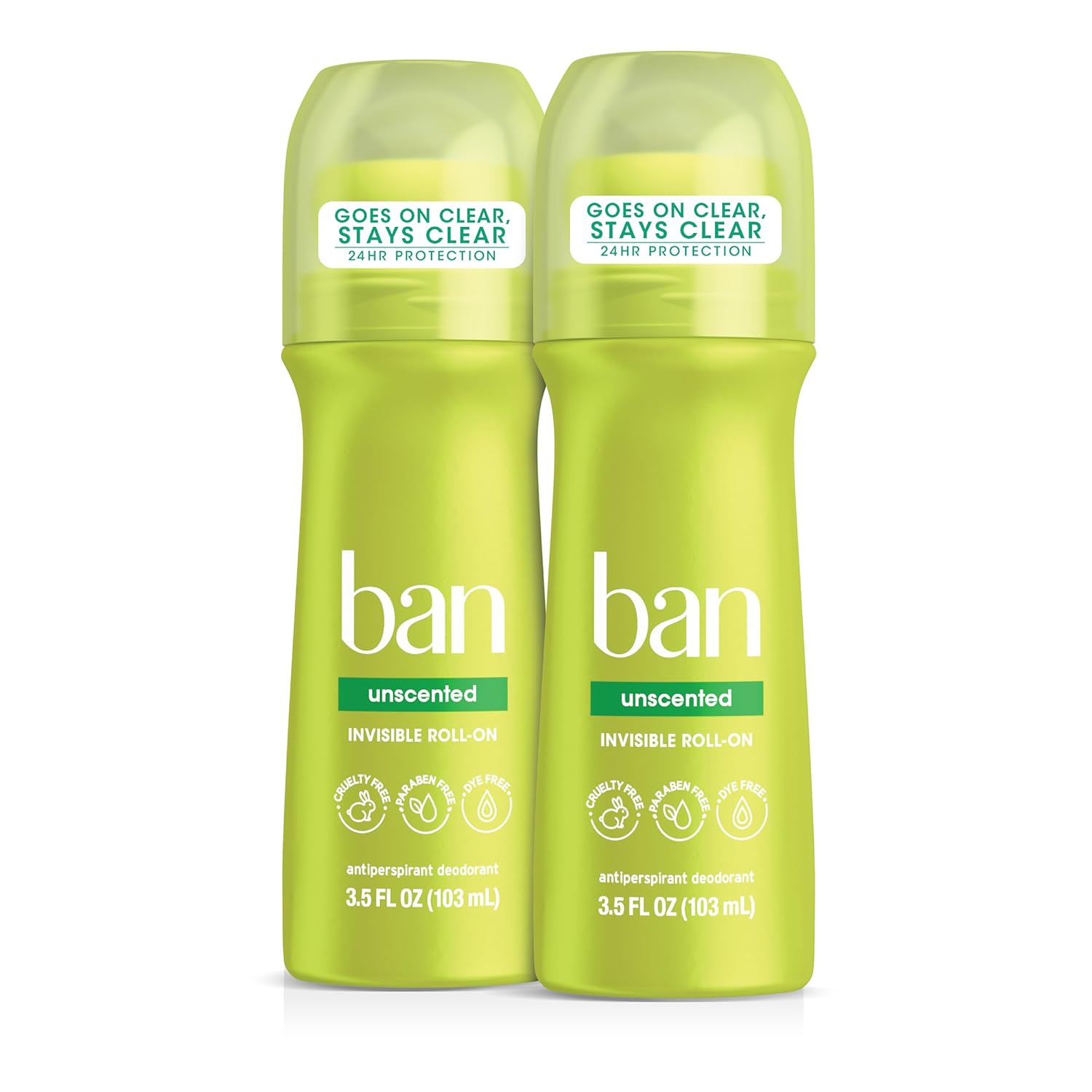
Ban Antiperspirant Roll On: Have you ever stopped to think about what’s really in your antiperspirant roll-on? What if the product you trust every day might be doing more harm than good?
You deserve to know the truth about what you put on your skin and how it affects your health. This article will open your eyes to surprising facts about antiperspirant roll-ons that could Ban Antiperspirant Roll On change the way you think about your daily routine.
Keep reading—you might just Ban Antiperspirant Roll On discover why banning these products could be the best choice for your well-being.
Ban Antiperspirant Roll On: Health Risks Linked To Antiperspirants.
Antiperspirants are common in daily hygiene routines. Ban Antiperspirant Roll On. Many people apply them without thinking about possible risks. Ban Antiperspirant Roll On Some studies raise concerns about the safety of these products. Understanding the health risks linked to antiperspirants can help in making safer choices.
Ban Antiperspirant Roll On These products contain chemicals that may affect skin and body health. Some ingredients might cause irritation or allergic reactions. There are also debates about their connection to serious diseases. Ban Antiperspirant Roll On Awareness of these risks is important for everyone.
Chemical Ingredients To Watch Ban Antiperspirant Roll On
Antiperspirants often contain aluminum compounds. These block sweat glands to reduce sweating. Some research suggests aluminum may disrupt hormone functions. Parabens are another common ingredient. Ban Antiperspirant Roll O.n They act as preservatives but can mimic estrogen in the body. Fragrances and other additives might cause skin sensitivity or allergies.
Impact On Skin And Body
Repeated use can irritate delicate underarm skin. Redness, itching, and rashes are common problems. Chemicals may clog pores and trap bacteria. This can lead to infections or unpleasant odors. Absorption of ingredients into the body raises further health concerns. Some people report swelling or lumps in the underarm area.
Possible Cancer Connections
Concerns exist about links between antiperspirants and breast cancer. Some studies suggest aluminum compounds could damage DNA in cells. Parabens found in these products may promote tumor growth. No clear proof yet, but the debate continues. More research is needed to confirm any direct connection.
Ban AntiperspiranRoll-OnOn and Environmental Consequences
Antiperspirant roll-ons contain chemicals that harm the environment. These products create waste and pollution that affect nature in many ways. Understanding these effects helps us see why banning them matters. Ban Antiperspirant Roll On
Toxic Waste And Pollution
Antiperspirants often contain aluminum compounds and synthetic chemicals. These substances do not break down easily. Factories produce toxic waste during manufacturing. This waste can leak into soil and water. Pollution from these chemicals harms ecosystems and human health. Ban Antiperspirant Roll On
Effects On Wildlife
Pollutants from antiperspirants enter rivers and oceans. Fish and other animals absorb these harmful substances. This causes illness and disrupts reproduction. Birds and mammals can ingest toxic chemicals too. The result is fewer animals and damaged food chains.
Sustainability Concerns
Many antiperspirant containers are made from plastic. Plastic takes hundreds of years to decompose. Single-use plastic increases landfill waste. This adds pressure on natural resources. Ban Antiperspirant Roll On. Using less harmful products supports a sustainable future.
Alternatives To Roll-on Antiperspirants
Many people want to stop using roll-on antiperspirants. These products can cause skin irritation or contain harmful chemicals. Luckily, there are other ways to stay fresh without them. Simple changes and natural options work well for most.
Natural Deodorants
Natural deodorants use ingredients like baking soda, coconut oil, and essential oils. They help control odor without blocking sweat. These options are gentle on the skin and safe to use daily. Many brands offer natural deodorants in stick, cream, or spray forms.
Home Remedies
Home remedies can reduce sweat and odor naturally. Applying apple cider vinegar or witch hazel helps balance the skin’s pH. Lemon juice also works well as a natural cleanser. These remedies are easy to use and cost less than commercial products.
Lifestyle Changes
Simple lifestyle changes can reduce sweat and odor. Wearing loose, breathable clothes helps air reach your skin. Drinking plenty of water flushes out toxins. Eating less spicy food may also lower sweat production. Exercise regularly to improve overall body health.
Consumer Awareness And Advocacy Ban Antiperspirant Roll-On
Consumer awareness and advocacy play a key role in the debate over banning antiperspirant roll-ons. People want to know what ingredients are in their products and how they affect health. Many are pushing for safer options and clearer information. This section explores how consumers can protect themselves and support change.
Reading Labels Effectively: Ban Antiperspirant Roll-On
Labels tell what ingredients are in a product. Reading them helps avoid harmful chemicals. Look for words like aluminum compounds, parabens, and artificial fragrances. These can cause skin irritation or other health issues. Choose products with simple, natural ingredients. Learning label terms takes practice but improves safety.
Campaigns For Safer Products Ban AntiperspirantRoll-Onn
Many groups campaign for safer antiperspirants. They share facts about toxic ingredients. These campaigns ask companies to remove harmful chemicals. They also promote natural alternatives. Social media and community events spread awareness. Consumers join these movements to protect health and demand change.
Regulations And Policy Updates Ban Antiperspirant Roll-On
Governments update rules to protect consumers. Some countries limit or ban certain chemicals in cosmetics. New laws require clear labels and safety tests. Consumer voices help shape these policies. Staying informed about regulations guides safer buying choices. Advocacy influences stronger protections over time.

Frequently Asked Questions Ban Antiperspirant Roll On
Why Do Some People Want To Ban Antiperspirant Roll-ons?
Some believe these products contain harmful chemicals. They worry about health risks and environmental damage. This drives calls for bans in some places.
Are Antiperspirant Roll-ons Harmful To Human Health?
Certain ingredients may cause skin irritation or allergies. Research on long-term effects is still ongoing. Many use them safely with no issues.
What Alternatives Exist To Antiperspirant Roll-on Products?
Natural deodorants without aluminum are popular options. Ban Antiperspirant Roll On. Wearing breathable fabrics and regular washing helps control sweat. Lifestyle changes can reduce reliance on these products.
Conclusion
Ban antiperspirant roll-ons to protect your skin and health. Many contain harmful chemicals that mayirritaten. Choosing safer options helps your body breathe naturally. Small changes can make a big difference over time. Think about your well-being and the environment too.
Stay informed and decide what works best for you. Taking care of yourself starts with simple choices.