
If you’re looking to brighten your skin and reveal a smoother, fresher complexion, The Ordinary Glycolic Acid might be just what you need. But how do you use it correctly to get the best results without irritating your skin?
You’re probably wondering how often to apply it, what to expect, and how to fit it into your routine. This guide will walk you through everything you need to know, making it easy for you to unlock the full benefits of this popular skincare ingredient.
Keep reading to discover simple, effective tips that will transform your skincare game.
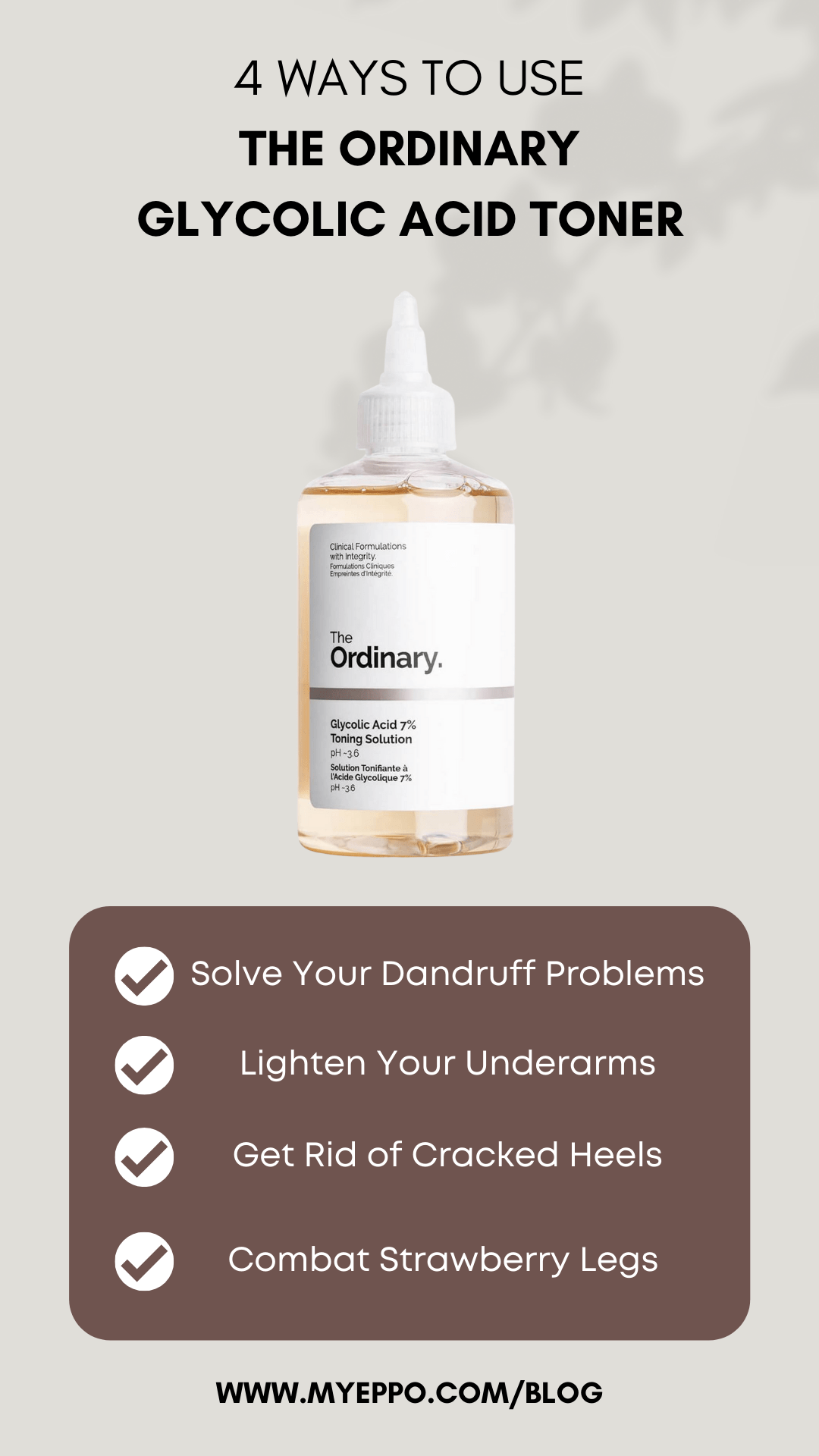
Credit: myeppo.com
Benefits Of Glycolic Acid
Glycolic acid offers many benefits for healthy, glowing skin. It is a popular ingredient in skincare because it works gently yet effectively. This acid helps renew the skin and improve its overall look. Regular use can bring visible changes to skin texture and tone.
Exfoliation And Cell Renewal
Glycolic acid removes dead skin cells from the surface. This process clears pores and prevents breakouts. It also speeds up cell turnover, helping new skin to grow faster. The result is fresher and smoother skin.
Improving Skin Texture
This acid smooths rough patches and uneven areas. It softens the skin and makes it feel more supple. Over time, it reduces fine lines and small wrinkles. Skin looks healthier and more youthful.
Fading Dark Spots
Glycolic acid helps lighten dark spots and discoloration. It breaks down pigment in the skin to even out tone. This makes sun spots and acne marks less visible. The skin appears clearer and more balanced.
Boosting Radiance
Using glycolic acid brightens dull skin. It removes layers of dead cells that hide the glow. Skin looks fresh and radiant after each use. This boost in brightness gives a natural, healthy shine.
Credit: www.youtube.com
Choosing The Right Concentration
Choosing the right concentration of The Ordinary Glycolic Acid is key for safe and effective use. The product comes in different strengths, and picking one that suits your skin helps avoid irritation. Knowing the differences between low and high percentages guides you to better results. Also, your skin type plays a big role in this choice. Testing a small area before full use helps ensure your skin reacts well.
Low Vs High Percentage
The Ordinary Glycolic Acid usually ranges from 5% to 10%. Lower percentages are gentle and good for beginners. They help remove dead skin cells slowly without much irritation. Higher percentages offer stronger exfoliation. They work faster but may cause redness or dryness. Starting with a low percentage allows your skin to adjust. Increase the strength only if your skin handles it well.
Skin Type Considerations
Dry and sensitive skin types should choose lower concentrations. These reduce the risk of irritation and dryness. Oily and combination skin can handle higher percentages better. They benefit more from deep exfoliation. Aging skin may also need stronger formulas for better results. Always consider your skin’s needs and how it reacts. Adjust the concentration based on your skin’s tolerance.
Patch Testing Importance
Patch testing is a simple way to avoid bad reactions. Apply a small amount on your wrist or behind your ear. Wait 24 to 48 hours to see if irritation appears. No redness, itching, or burning means it’s safe to use. Patch testing helps prevent allergic reactions and skin damage. Always do this before starting a new glycolic acid product.
Step-by-step Application Guide
Using The Ordinary Glycolic Acid correctly can improve your skin’s texture and brightness. Follow this step-by-step guide to get the best results. Proper application helps avoid irritation and keeps your skin healthy.
Cleansing Before Use
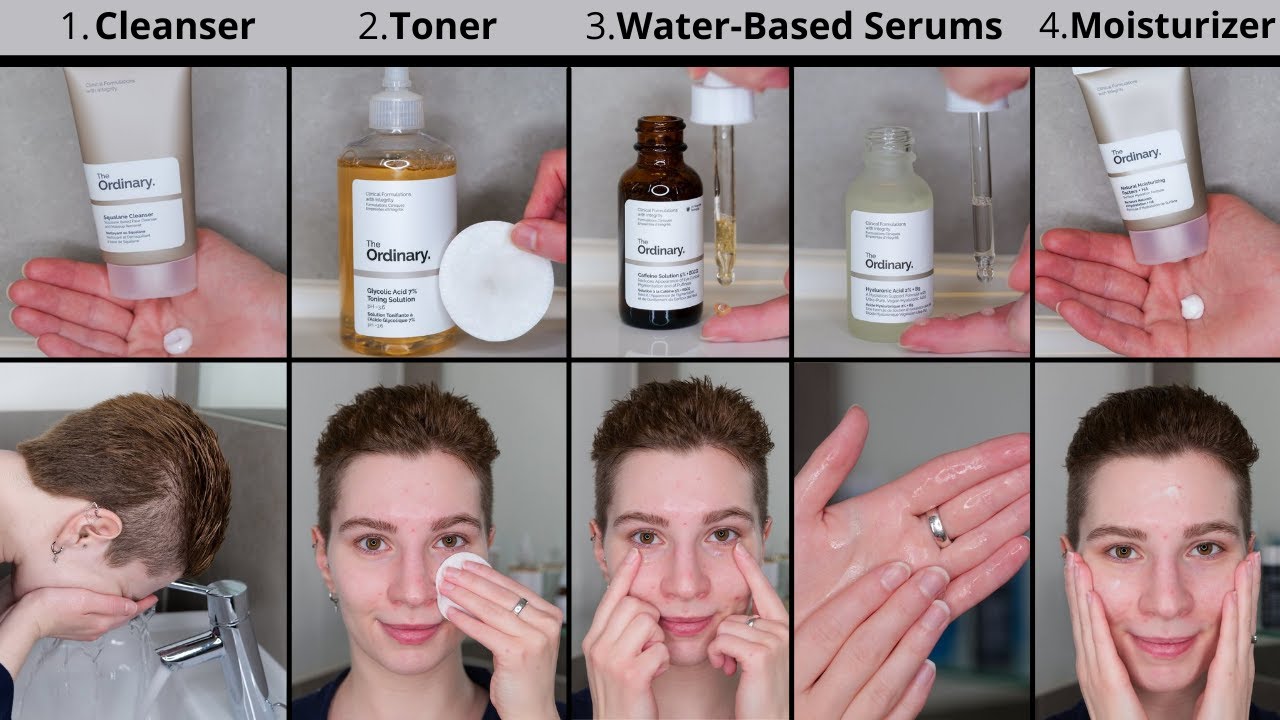
Start with a clean face. Use a gentle cleanser to remove dirt and oil. Pat your skin dry with a soft towel. Clean skin allows glycolic acid to work better.
How To Apply Glycolic Acid
Pour a few drops onto a cotton pad or your fingertips. Apply the acid evenly on your face and neck. Avoid the eye area to prevent irritation. Use gentle, sweeping motions for smooth coverage.
Frequency And Timing
Begin by using glycolic acid two to three times a week. Use it in the evening to avoid sun sensitivity. Increase frequency slowly as your skin builds tolerance. Never apply on broken or irritated skin.
Follow-up Skincare Steps
Wait a few minutes before applying other products. Follow with a hydrating serum or moisturizer. Use sunscreen daily to protect your skin. Sunscreen helps prevent damage from sun exposure.
Avoiding Common Mistakes
Avoiding common mistakes with The Ordinary Glycolic Acid is key for safe and effective use. Many people make errors that cause skin irritation or reduce results. Knowing what to avoid helps keep your skin healthy and glowing. Here are some important tips to guide you.
Overuse Risks
Using glycolic acid too often can harm your skin barrier. It may cause redness, dryness, and peeling. Start with 2-3 times a week and watch your skin’s reaction. More use does not mean better results. Give your skin time to adjust before increasing frequency.
Mixing With Incompatible Products
Do not mix glycolic acid with strong actives like retinol or vitamin C. These combinations can irritate your skin and cause sensitivity. Use glycolic acid on different days than these products. Keep your skincare simple to avoid unwanted reactions.
Sun Protection Necessity
Glycolic acid makes your skin more sensitive to the sun. Always apply sunscreen during the day. Choose a broad-spectrum SPF 30 or higher. Avoid direct sunlight as much as possible after use. Protecting your skin helps prevent damage and dark spots.
Enhancing Results With Complementary Products
Using The Ordinary Glycolic Acid can improve your skin’s texture and brightness. To get the best results, combine it with other skincare products. These products help protect your skin and keep it healthy. They also reduce irritation and dryness caused by glycolic acid.
Hydrating Serums
Hydrating serums add moisture deep inside your skin. They help balance the dryness from glycolic acid. Serums with ingredients like hyaluronic acid work well. Apply them after glycolic acid to keep skin soft and smooth.
Moisturizers For Barrier Support
Moisturizers protect your skin’s natural barrier. Glycolic acid can make your skin more sensitive. Use a gentle moisturizer to lock in hydration. Look for creams with ceramides or glycerin. These ingredients help strengthen and repair your skin.
Using Sunscreen Daily
Sunscreen is a must after using glycolic acid. Your skin becomes more sensitive to the sun. Apply broad-spectrum sunscreen with at least SPF 30 every day. This prevents sun damage and dark spots. Sunscreen keeps your skin safe and healthy.

Credit: www.youtube.com
Who Should Avoid Glycolic Acid
Glycolic acid is a popular skincare ingredient. It helps exfoliate and brighten the skin. Despite its benefits, some people should avoid using it. Knowing who should skip glycolic acid can prevent skin problems and discomfort. This section highlights the groups that need caution.
Sensitive Skin Types
Sensitive skin reacts easily to many products. Glycolic acid may cause redness and irritation. People with sensitive skin might feel burning or stinging. Using glycolic acid can make their skin dry and flaky. It is better to choose gentler exfoliants or speak to a dermatologist first.
Pregnant Or Nursing Individuals
Pregnancy and nursing require extra care with skincare. Some experts advise avoiding strong acids like glycolic acid. The skin changes during this time and can become more sensitive. Using glycolic acid could lead to unwanted reactions or risks. Always check with a healthcare provider before trying new products.
Skin Conditions To Watch For
Certain skin problems can worsen with glycolic acid. Conditions like eczema, rosacea, and psoriasis are more delicate. Applying glycolic acid may increase irritation or flare-ups. Broken or inflamed skin should never be treated with strong acids. Consulting a dermatologist helps find safer alternatives for these cases.
Frequently Asked Questions
What Is The Ordinary Glycolic Acid Used For?
The Ordinary Glycolic Acid helps remove dead skin cells. It brightens skin and improves texture for a smoother look.
How Often Should I Use The Ordinary Glycolic Acid?
Use it once daily, preferably at night. Start with 2-3 times a week to see how your skin reacts.
Can I Use The Ordinary Glycolic Acid With Other Products?
Avoid strong acids or retinoids on the same day. Use gentle moisturizers and sunscreen alongside for best results.
What Skin Type Is The Ordinary Glycolic Acid Best For?
It suits normal, oily, and combination skin well. Sensitive skin users should patch test before full use.
What Precautions Should I Take When Using Glycolic Acid?
Always apply sunscreen daily as it increases sun sensitivity. Avoid eye area and stop use if irritation occurs.
Conclusion
Using The Ordinary Glycolic Acid correctly can improve your skin gently. Start slow and watch how your skin reacts. Apply it at night and always use sunscreen during the day. Keep your skin clean and avoid mixing with strong acids.
Patience is key; results take time to show. This simple routine helps brighten and smooth your skin. Stick to it and enjoy a fresh, glowing look. Small steps make a big difference in skincare.