

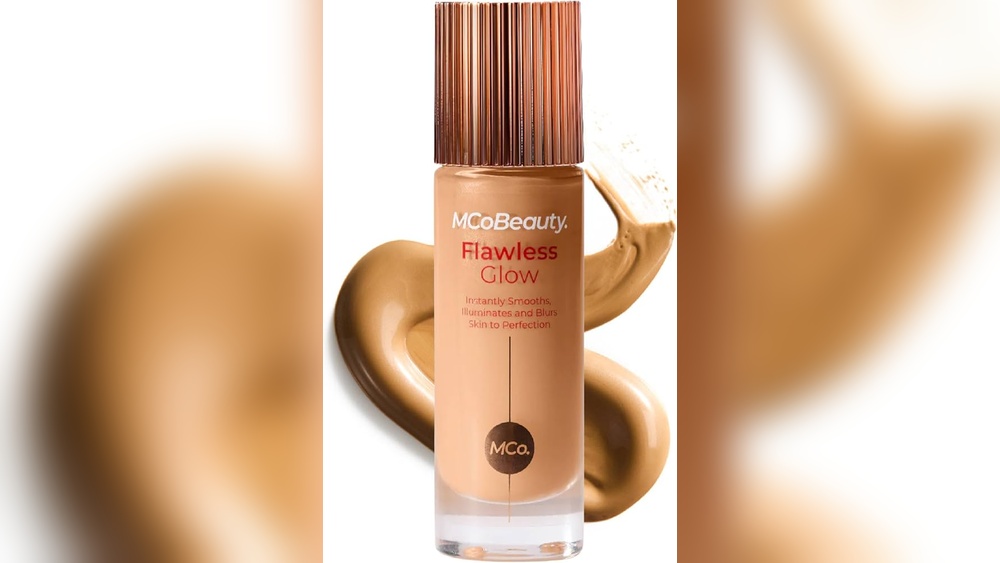
Makeup primer is an important step before applying foundation. It helps your makeup last longer and look smoother. But, many people do not know which primer is best. This guide will help you choose the best makeup primer for your face. We will talk about different types of primers and how to pick the right one for your skin.
What is Makeup Primer?
Makeup primer is a product you put on your face before foundation. It creates a smooth base for makeup. It helps makeup stick to your skin and stay for hours. Primers can also hide pores, fine lines, and shine. They make your skin look even and fresh.
Why Should You Use a Makeup Primer?
- Makes your makeup last longer.
- Helps makeup look smooth and even.
- Reduces shine on oily skin.
- Hides large pores and small skin bumps.
- Protects skin from dirt and pollution.
Without a primer, makeup can fade quickly or look patchy. So, primer is very helpful for a neat and fresh look.
Types of Makeup Primers
There are many kinds of primers. You should pick one based on your skin type and needs. Below are common types of primers:
| Primer Type | Best For | Benefits |
|---|---|---|
| Mattifying Primer | Oily skin | Controls shine and oil, keeps skin matte. |
| Hydrating Primer | Dry skin | Adds moisture and smooths dry patches. |
| Silicone-based Primer | All skin types | Creates smooth surface, fills pores and lines. |
| Glow or Radiance Primer | Dull skin | Adds shine and healthy glow to skin. |
| Color Correcting Primer | Skin with redness or dullness | Neutralizes skin tone for even look. |
How to Choose the Best Makeup Primer
Choosing the right primer can be easy if you think about your skin. Here are some steps to help you:
- Know your skin type: Is your skin oily, dry, or normal? Do you have sensitive skin?
- Think about your skin problems: Do you have large pores, redness, or dullness?
- Decide what you want: Longer makeup, less shine, or glowing skin?
- Pick a primer that matches your needs.
Best Makeup Primers for Different Skin Types
Here are some good primers for each skin type:
1. Best Primer For Oily Skin
Oily skin needs a primer that controls shine and oil. Look for mattifying primers that keep your skin dry. They stop makeup from melting or fading.
- Choose oil-free formulas.
- Look for primers with ingredients like clay or charcoal.
- Silicone primers can also help by filling pores.
2. Best Primer For Dry Skin
Dry skin needs a primer with moisture. A hydrating primer will stop your skin from looking flaky. It helps makeup stick well and look smooth.
- Look for primers with ingredients like glycerin or hyaluronic acid.
- A primer with a creamy or liquid texture works well.
- Avoid mattifying primers because they can dry out skin.
3. Best Primer For Sensitive Skin
Sensitive skin needs gentle primers. Avoid primers with strong perfumes or harsh chemicals. Look for calming ingredients like aloe vera or chamomile.
- Choose fragrance-free and hypoallergenic products.
- Test the primer on a small skin area first.
- Look for soothing and calming formulas.
4. Best Primer For Combination Skin
Combination skin has both oily and dry parts. You can use different primers on different areas. Use mattifying primer on oily areas like the T-zone. Use hydrating primer on dry cheeks.
- Use light primers that do not clog pores.
- Blend well to avoid uneven makeup.
- Choose primers that balance the skin.
5. Best Primer For Dull Skin
Dull skin looks tired and lacks shine. A glow or radiance primer adds brightness. It makes your skin look fresh and healthy.
- Look for primers with light-reflecting particles.
- Choose primers with vitamin C or pearl extracts.
- Use primers that give a natural glow.
How to Apply Makeup Primer
Applying primer is simple. Follow these easy steps:
- Start with clean and moisturized skin.
- Take a small amount of primer on your fingers.
- Apply the primer gently on your face.
- Focus on areas where makeup fades or shines.
- Wait a few minutes before applying foundation.
Remember, a little primer goes a long way. Using too much can make your skin sticky or heavy.
Tips for Using Makeup Primer
- Always clean your face before primer.
- Use primer even if you do not wear full makeup.
- Carry a small primer for touch-ups if needed.
- Choose primers with SPF for sun protection.
- Replace old primers after 6-12 months.
Common Ingredients in Makeup Primers
Primers have different ingredients for different effects. Here are some common ones:
| Ingredient | Purpose |
|---|---|
| Silicone | Fills pores and smooths skin. |
| Glycerin | Hydrates and keeps skin moist. |
| Hyaluronic Acid | Attracts moisture to skin. |
| Clay | Absorbs oil and controls shine. |
| Vitamin C | Brightens dull skin. |
| Aloe Vera | Soothes and calms skin. |
Summary
Makeup primer helps your makeup look better and last longer. It smooths your skin and controls shine. The best primer depends on your skin type and needs. Oily skin needs mattifying primers. Dry skin needs hydrating primers. Sensitive skin needs gentle formulas. Combination skin can use different primers on different areas. Dull skin looks fresh with glow primers.
Always apply primer on clean skin. Use a small amount and wait before foundation. Check the ingredients to find one that suits you. With the right primer, your makeup will look nice all day.
Try to find a primer that feels comfortable on your skin. It should help your makeup, not feel heavy. Take your time to pick the best makeup primer for your face. It will make your makeup look smooth and last longer.
Frequently Asked Questions
What Is A Makeup Primer And Why Use It?
A makeup primer creates a smooth base for foundation. It helps makeup last longer and looks better. It also reduces shine and hides pores.
How To Choose The Best Primer For Your Face?
Look for a primer that fits your skin type. Dry skin needs hydration, oily skin needs oil control. Check ingredients for skin benefits and avoid irritants.
Can Makeup Primers Improve Skin Texture?
Yes, primers fill in fine lines and pores. They make skin feel soft and smooth. This helps makeup apply evenly and look natural.
How Long Should You Wait After Applying Primer?
Wait about one to two minutes for primer to set. This ensures makeup sticks well to your skin. Rushing can cause uneven makeup.
Are Silicone-based Primers Good For Sensitive Skin?
Silicone primers are smooth and long-lasting but may clog pores. Sensitive skin types might prefer water-based or mineral primers. Always patch test before full use.