

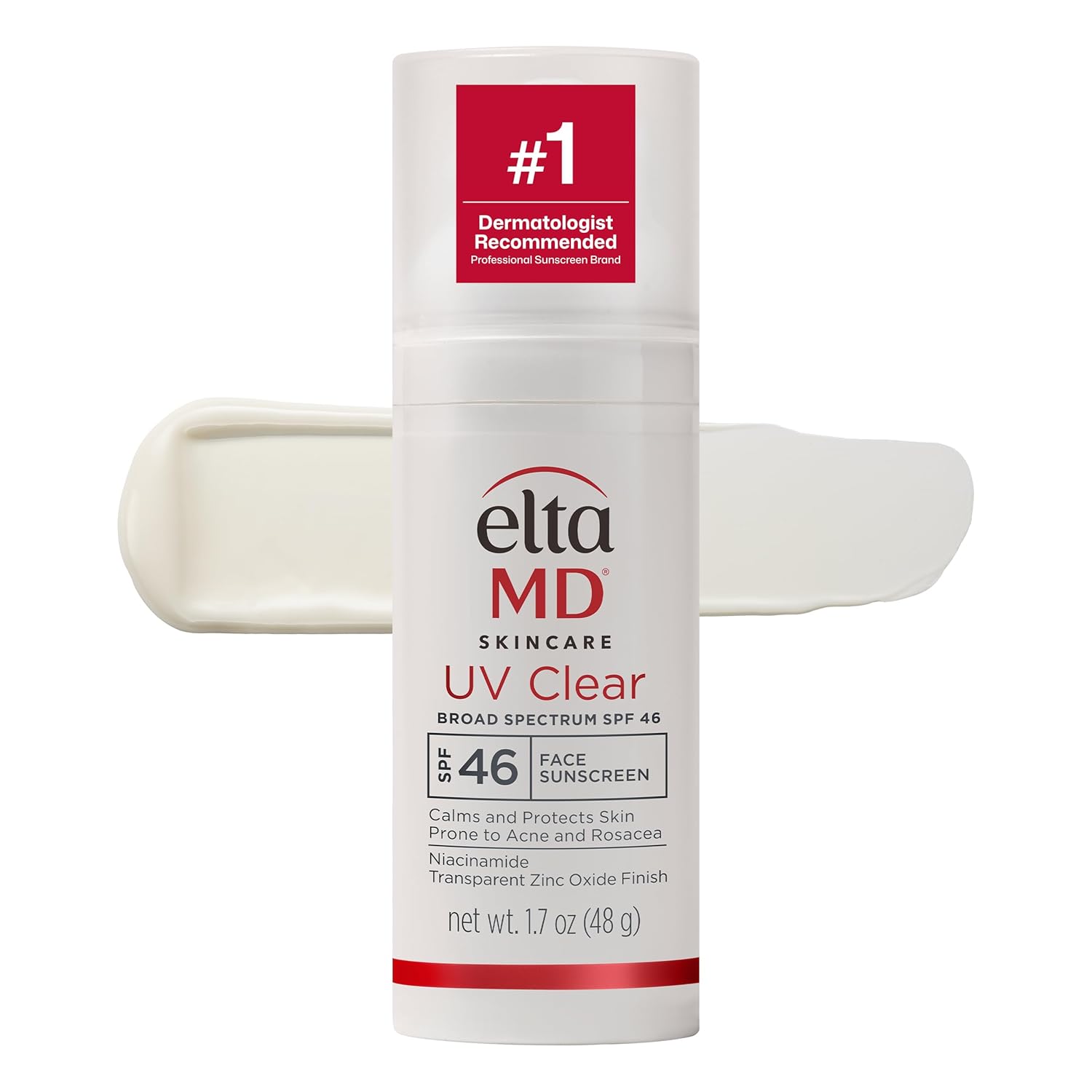
Dermatologist Sunscreen Recommendations Sun protection is very important for healthy skin. Doctors who study skin are called dermatologists. They know the best ways to protect skin from the sun. One of their top tips is to use sunscreen every day.
Sunscreen helps stop the sun’s rays from hurting your skin. It lowers the risk of sunburn, skin damage, and skin cancer. But not all sunscreens are the same. Dermatologists have clear advice about which sunscreens work best.
Why Use Sunscreen?
The sun sends out ultraviolet (UV) rays. These rays can harm your skin. There are two main types of UV rays:
- UVA Rays: They go deep into the skin and cause aging.
- UVB Rays: They cause sunburn and can damage the skin’s surface.
Both types can cause skin cancer. Sunscreen blocks or absorbs these rays. So, using sunscreen every day helps keep your skin safe.
Key Sunscreen Features Dermatologists Recommend
Here are the main things dermatologists look for in a good sunscreen:
| Feature | Why It Matters |
|---|---|
| Broad Spectrum Protection | Blocks both UVA and UVB rays for full sun protection. |
| SPF 30 or Higher | SPF 30 blocks about 97% of UVB rays. Higher is better for long sun exposure. |
| Water Resistant | Stays on skin even when sweating or swimming. |
| Safe Ingredients | Less risk of skin irritation or allergies. |
Types of Sunscreens: Chemical vs. Physical
There are two main types of sunscreens. Both have pros and cons. Dermatologists understand these differences well.
Chemical Sunscreens
These sunscreens absorb UV rays. They use ingredients like oxybenzone, avobenzone, or octinoxate.
- Light and easy to rub in.
- Can feel lighter on skin.
- May cause irritation for sensitive skin.
Physical Sunscreens
Also called mineral sunscreens. They block UV rays by reflecting them. They use zinc oxide or titanium dioxide.
- Good for sensitive or allergy-prone skin.
- Start working right after applying.
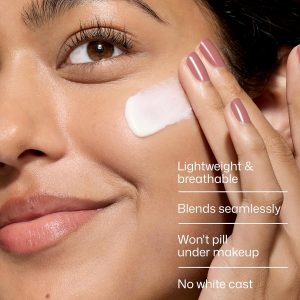
- May leave a white cast on darker skin tones.
Many dermatologists suggest mineral sunscreens for children and sensitive skin. But both types work if used properly.
How to Choose the Right Sunscreen
Follow these simple steps to pick the best sunscreen for you:
- Look for Broad Spectrum. Make sure it blocks UVA and UVB.
- Choose SPF 30 or Higher. This gives good protection.
- Pick Water Resistant. Especially if you swim or sweat.
- Check Ingredients. If you have sensitive skin, choose mineral sunscreens.
- Consider Your Skin Type. Dry skin may need moisturizing sunscreens. Oily skin may need lighter formulas.
How Much to Use Dermatologist Sunscreen Recommendations
Most people use too little sunscreen. Dermatologists say adults need about one ounce (a shot glass full) to cover their body. For the face, use at least a teaspoon amount. Don’t forget ears, neck, and hands.
Apply sunscreen 15 minutes before going outside. Reapply every two hours. Reapply after swimming or sweating a lot.
Special Tips from Dermatologist Sunscreen Recommendations
- Use Sunscreen Every Day: Sun can harm skin even on cloudy days.
- Wear Protective Clothing: Hats, sunglasses, and long sleeves add extra protection.
- Seek Shade: Stay out of direct sun during peak hours (10 a.m. to 4 p.m.).
- Don’t Forget Lips: Use lip balm with SPF.
- Check Expiry Dates: Old sunscreen may not work well.
Common Dermatologist Sunscreen Recommendations
Even with good sunscreen, some mistakes reduce protection:
- Using too little sunscreen.
- Not reapplying after swimming or sweating.
- Missing spots like ears, feet, and back of neck.
- Using sunscreen only on sunny days.
Avoid these to get full benefits from sunscreen.
Best Sunscreen for Dermatologist Sunscreen Recommendations
Dermatologists recommend specific sunscreens based on skin type:
| Skin Type | Recommended Sunscreen | Reason |
|---|---|---|
| Dry Skin | Sunscreen with moisturizing ingredients | Helps keep skin soft and hydrated. |
| Oily Skin | Oil-free, mattifying sunscreen | Prevents shine and clogged pores. |
| Sensitive Skin | Mineral sunscreen with zinc oxide or titanium dioxide | Less irritation and gentle on skin. |
| Normal Skin | Any broad spectrum SPF 30+ sunscreen | Standard protection is enough. |
Frequently Asked Questions Dermatologist Sunscreen Recommendations
What Spf Level Do Dermatologists Recommend For Daily Use?
Dermatologists suggest using sunscreen with at least SPF 30 daily. It blocks 97% of UVB rays. This helps protect skin from sun damage and aging.
Should I Use Chemical Or Physical Sunscreen On Sensitive Skin?
Physical sunscreens with zinc oxide or titanium dioxide suit sensitive skin best. They sit on the skin and reflect UV rays. These options cause fewer irritations than chemical sunscreens.
How Often Should Sunscreen Be Reapplied During Outdoor Activities?
Sunscreen needs reapplying every two hours when outside. Also, reapply after swimming or sweating heavily. This keeps your skin protected throughout the day.
Can Sunscreen Help Prevent Skin Cancer According To Dermatologists?
Yes, regular sunscreen use reduces the risk of skin cancer. It blocks harmful UV rays that cause skin damage. Using it daily is a key step in skin health.
Conclusion
Using sunscreen is the best way to protect your skin. Dermatologists agree on the need for broad spectrum, SPF 30 or higher. Choose a sunscreen that fits your skin type and lifestyle. Apply it correctly and often. Wear extra protection like hats and clothes. Avoid common sunscreen mistakes to keep your skin safe.
Remember, sun protection is a daily habit. It helps you stay healthy and keeps your skin looking good for years. Start today with a good sunscreen choice.